

Wrestling Texas w/Randi Miller on Women’s Wrestling.. What Still Needs Building and What TWU Is About
Women’s History Month is a good time to talk about women’s wrestling the way it actually grew. Not as a highlight reel but more like a sport that got pushed forward by the people in it.
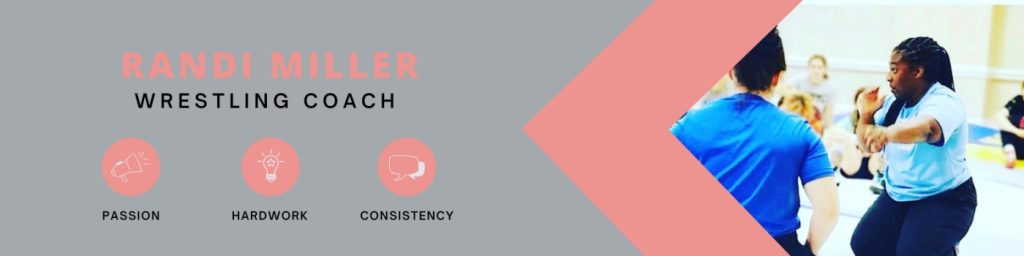
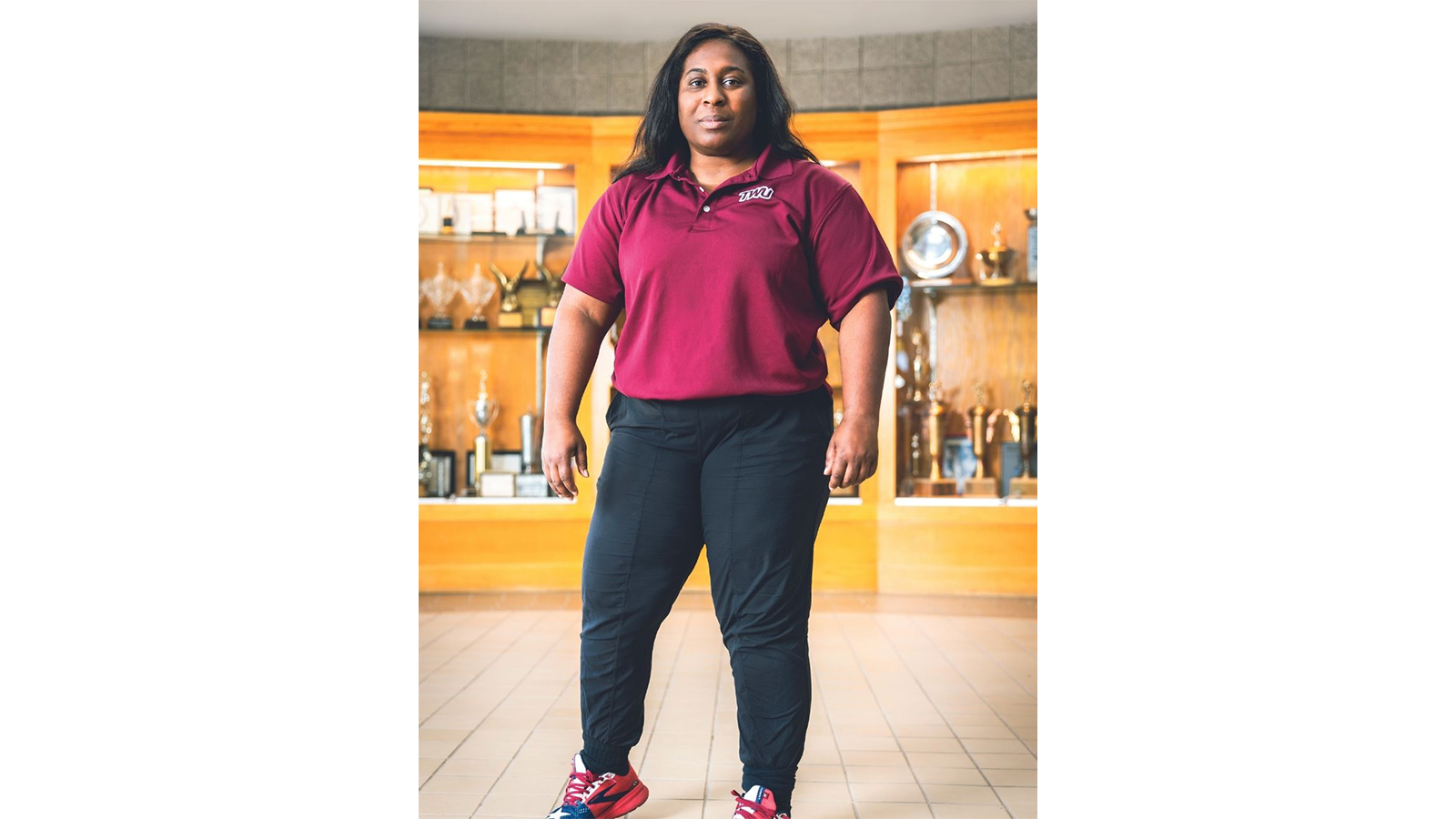
Randi Miller has lived both sides of it. She came up in Texas, climbed to the Olympic stage, and now she’s building the TWU program in a lane Texas still doesn’t have many of.
Below, Miller talks about what people miss about the early days, what adversity actually looked like, and what she wants TWU to become.
Wrestling Texas:
When you think back to the early days of girls wrestling in Texas, what do you feel people still don’t understand about what it took to build?
Coach Randi Miller:
It’s a tough question, honestly, because in a lot of ways we’re still building and because of that there’s been a real sense of understanding between generations on what it takes to build and sustain. One of the biggest drivers of the women’s movement, in my opinion, has been our ability to work together while still competing against each other. That balance is powerful.
I could go to almost any state to compete and know I’d have a place to stay and meals taken care of. That kind of community and cooperation is what helped propel the sport forward, and I really hope that women wrestlers are still embracing being in community with one another.
Wrestling Texas:
That’s real. The sport grew because women were willing to compete hard and then still take care of each other on the road.
But when people hear “early days,” they’ll assume conflict..girls being told no, coaches and refs pushing back, all that.
So I have to ask it straight.
When you started, did you run into resistance from opponents, coaches, or officials?
Coach Randi Miller:
No, I didn’t experience resistance in that traditional sense from opponents, coaches, or officials. By the time I started wrestling, Texas already had full rosters of girls, and the sport was sanctioned at the high school level. When I got to college, I was recruited to wrestle on a women’s team, so those opportunities were there.
Where I did face adversity was more in how women’s wrestling was valued. There were times when leadership made it feel like our program wasn’t as important. You could see that in things like being given less convenient practice times or having fewer structured training opportunities.
Because women compete in freestyle, once the college folkstyle season ended, our team often had less support..fewer organized practices, limited training partners, and more responsibility on us to figure things out ourselves. There was also a lack of exposure. When the women’s team accomplished something, it didn’t always get the same recognition or spotlight from the school.
It wasn’t always direct resistance, but it showed up in the gaps like resources, structure, and visibility.
Wrestling Texas:
Yeah I think people miss that part. Not being “banned,” but being treated like you’re optional.
And that leads into the next piece, because some athletes carry a specific moment where they realized they weren’t wanted.
Did you ever have a moment where you felt like, “they don’t want girls here,” or was it always more about priority and support?
Coach Randi Miller:
No, I never had a specific moment where I felt like, “they don’t want girls here.” That just wasn’t my experience. Like I mentioned before, the challenges I faced were less about being unwelcome and more about how women’s wrestling was prioritized.
Wrestling Texas:
That’s an important distinction. It tells you the sport had a place but it still wasn’t being treated like it mattered the same.
You’ve lived it at the highest level. Olympic stage. World level pressure. That changes how you see everything.
So when you look at younger wrestlers now, what’s the biggest thing you learned that most high school girls don’t really understand yet? And how do you teach it at TWU?
Coach Randi Miller:
The biggest thing I learned is that the traits that took me to the Olympic stage were built long before I ever got there, not the other way around. I want to say that again because it matters: the qualities I built led me to the Olympics; the Olympics didn’t create them.
They were developed through my upbringing, my environment, and the personal choices I made every single day.
Things like personal accountability, discipline, hard work, persistence, and resilience, those were taught in my home, and wrestling reinforced and rewarded them. That’s what I think a lot of younger athletes don’t fully understand yet. The medal doesn’t make you, you earn the medal.
The drive, discipline, accountability, and work ethic come first. Then comes the success.
Sometimes younger athletes are looking for something external to create motivation or success, when really it starts internally.
At TWU, I can’t teach those traits from scratch. Those are part of your foundation, your personal warrior ethos. But if you come in with those qualities, I promise I will do everything in my power to help you succeed, develop your skills, and make sure your work is rewarded.
My job isn’t to build those traits for you…it’s to elevate the ones you already have.
Wrestling Texas:
That’s great leadership coaching but it’s also a competitor truth. Nobody hands you that level. You build it first, then you earn the results.
So for Texas kids reading this, here’s the practical question.
When a Texas girl asks you about TWU, what do you tell her in plain terms? What kind of athlete fits your room?
Coach Randi Miller:
In plain terms, my goal is to build a program that competes for national titles, maintains a 90% graduation rate, and produces All Americans and national champions. If those goals align with yours..welcome.
The kind of athlete that fits in our room is someone who is serious about both their sport and their education. Someone who values accountability, discipline, and hard work. Someone who wants to be pushed, developed, and held to a high standard every single day.
This isn’t for everyone but if you’re about it, there’s a place for you here.
Closing
This is what women’s wrestling sounds like when you strip it down. It’s not a story of protest. It’s not a victory lap. It’s an honest explanation of what moved the sport forward and what still needs attention if it’s going to keep growing the right way.
Miller didn’t describe a fight to be allowed in the room. She described the tougher fight after that..being valued the same, supported the same, and covered the same. That’s still the work in a lot of places.And at TWU, she’s being clear about the standard. If you want comfort, it’s not the fit. If you want to be pushed and chase big goals while finishing your degree, she’s saying there’s a place for you.